
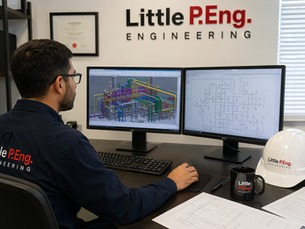
Pressure Vessel Design refers to the engineering process of creating containers that safely hold gases or liquids under pressure. These vessels are widely used in industries such as oil and gas, chemical processing, and power generation, where operational safety and efficiency are critical. The design process involves careful consideration of pressure levels, temperature variations, material strength, and compliance with international standards.
A well-engineered vessel ensures not only performance but also long-term reliability. Engineers must account for internal and external forces, corrosion risks, and fatigue over time. This is where experienced consultancies like Little P.Eng. Engineering play a vital role, providing expertise in stress analysis and structural evaluation to deliver safe and optimized solutions.
Key Components and Structural Elements
Every pressure vessel consists of several core components, including the shell, heads, nozzles, and support structures. Each of these elements must be designed to handle specific stress loads and environmental conditions. The shell typically carries the majority of internal pressure, while the heads are shaped to distribute stress evenly.
Nozzles and supports require special attention because they are common points of stress concentration. Improper design in these areas can lead to failure or leakage. Advanced simulation tools and engineering practices are often used to analyze these components in detail, ensuring the vessel performs reliably under all expected conditions.
Material Selection and Its Importance
Choosing the right material is one of the most critical aspects of Pressure Vessel Design. Materials must be strong enough to withstand pressure and temperature while also being resistant to corrosion and chemical reactions. Common materials include carbon steel, stainless steel, and specialized alloys depending on the application.
Material selection also impacts cost and maintenance requirements. Engineers must strike a balance between durability and economic feasibility. By leveraging deep industry knowledge, Little P.Eng. Engineering helps clients select materials that align with both operational needs and regulatory standards, ensuring long-term value.
Design Codes and Regulatory Compliance
Pressure vessels must comply with strict international codes such as ASME Boiler and Pressure Vessel Code and European PED regulations. These codes define design criteria, material specifications, testing methods, and inspection requirements to ensure safety and reliability.
Compliance is not optional but a legal necessity in most regions. Failure to meet these standards can result in severe penalties, operational shutdowns, or safety hazards. Engineers must stay updated with evolving regulations to ensure that every design meets current legal requirements and industry best practices.
Stress Analysis and Simulation Techniques
Stress analysis is a fundamental part of Pressure Vessel Design, allowing engineers to predict how a vessel will behave under various conditions. Techniques such as Finite Element Analysis are commonly used to simulate stress distribution, deformation, and potential failure points.
Simulation tools enable engineers to optimize designs before fabrication, reducing risks and costs. These advanced methods provide insights into complex loading scenarios, ensuring that the vessel can withstand real-world operating conditions without compromising safety.
Manufacturing Processes and Fabrication Considerations
The fabrication of pressure vessels involves processes such as welding, forming, and heat treatment. Each step must be carefully controlled to maintain material integrity and structural strength. Welding, in particular, is a critical process that requires skilled execution and thorough inspection.
Manufacturing quality directly impacts the performance and lifespan of the vessel. Engineers must collaborate closely with fabricators to ensure that design specifications are accurately implemented. This integration of design and manufacturing expertise leads to more reliable and efficient systems.
Inspection and Testing Procedures
Inspection and testing are essential to verify that a pressure vessel meets design and safety requirements. Common testing methods include hydrostatic testing, radiographic inspection, and ultrasonic testing. These procedures help identify defects or weaknesses before the vessel is put into service.
Regular inspection throughout the lifecycle of the vessel is equally important. Maintenance programs ensure that any wear or damage is detected early, preventing costly failures. Proper documentation and adherence to testing standards are crucial for compliance and operational safety.
Applications Across Industries
Pressure Vessel Design plays a vital role in numerous industries, from storing compressed gases to supporting chemical reactions in reactors. In the oil and gas sector, pressure vessels are used in refineries and pipelines, while in power plants they are essential for boilers and heat exchangers.
Each industry has unique requirements that influence design choices. For example, chemical plants may require corrosion-resistant materials, while power plants focus on high-temperature performance. Understanding these specific needs allows engineers to tailor designs for optimal efficiency and safety.
Practical Tips for Effective Pressure Vessel Design
Engineers and project managers can improve outcomes by following proven best practices in Pressure Vessel Design. Careful planning, accurate calculations, and collaboration among teams are key factors that contribute to successful projects.
- Ensure early involvement of stress analysis experts to identify potential issues
- Select materials based on both performance and environmental conditions
- Incorporate safety margins that exceed minimum code requirements
- Use advanced simulation tools to validate designs before fabrication
Implementing these strategies helps reduce risks, improve efficiency, and extend the lifespan of pressure vessels. Experienced firms like Little P.Eng. Engineering often integrate these practices into their workflow, delivering high-quality engineering solutions.
Optimizing Design with Engineering Expertise
Modern engineering consultancies bring a combination of technical knowledge and advanced tools to optimize vessel design. From piping integration to structural analysis, every aspect of the system must work together seamlessly to ensure overall performance.
To explore professional solutions in Pressure Vessel Design, visit and discover how expert engineers can enhance your industrial systems. Their comprehensive services support clients in achieving safe, compliant, and efficient designs tailored to their specific needs.
Future Trends in Pressure Vessel Engineering
The future of pressure vessel engineering is shaped by innovations in materials, digital modeling, and automation. Advanced alloys and composite materials are being developed to improve strength and reduce weight, while digital twins allow real-time monitoring of vessel performance.
Sustainability is also becoming a key focus, with designs aimed at reducing energy consumption and environmental impact. Engineers are increasingly adopting smart technologies to enhance safety and efficiency, ensuring that pressure vessels meet the demands of modern industries.
Conclusion
Pressure Vessel Design is a complex yet essential discipline that ensures the safe and efficient operation of industrial systems. From material selection to compliance and testing, every aspect of the design process plays a crucial role in achieving reliable performance.
By partnering with experienced consultancies like Little P.Eng. Engineering, companies can benefit from expert guidance and advanced engineering solutions. Investing in high-quality design not only enhances safety but also improves operational efficiency, making it a critical component of any industrial project.